Common Alternator Problems and Solutions
The alternator is a critical component of a vehicle’s charging system, responsible for generating electrical power to run the engine and accessories while replenishing the battery. When it begins to fail, a range of symptoms can appear, from flickering lights to a completely dead battery. Recognizing these early warning signs can help vehicle owners address issues before they lead to a breakdown. This article explores common alternator problems, diagnostic approaches, and replacement considerations, providing a comprehensive overview for those seeking to understand this essential system.
Understanding how the alternator functions within the broader electrical system is the first step toward effective diagnosis and repair. It converts mechanical energy from the engine into electrical energy, which is then regulated to maintain a stable voltage. Any disruption in this process can affect multiple vehicle systems. By learning to identify the signs of alternator trouble and following a systematic diagnostic process, drivers can make informed decisions about maintenance and repair. The information presented here is intended to support that process with clear, methodical guidance.
In the following sections, we will examine the typical symptoms of a failing alternator, the steps involved in testing and diagnosis, and the options for replacement or repair. While some tasks may be suitable for do-it-yourself enthusiasts, others may require professional assistance. The goal is to provide a balanced perspective that emphasizes safety, accuracy, and informed decision-making. Whether you are a seasoned mechanic or a vehicle owner looking to better understand your car’s charging system, this overview aims to equip you with practical knowledge.
Recognizing the Symptoms of a Failing Alternator
One of the most noticeable signs of alternator trouble is dimming or flickering lights, both inside and outside the vehicle. As the alternator struggles to maintain consistent voltage, the headlights, dashboard lights, and interior lights may pulse or grow dim, especially at idle. This symptom often becomes more pronounced when additional electrical loads are applied, such as turning on the air conditioning or rear defroster. Drivers may also observe that lights brighten when the engine is revved, indicating that the alternator is not producing sufficient power at lower RPMs. These visual cues are often the first indication that the charging system requires attention.
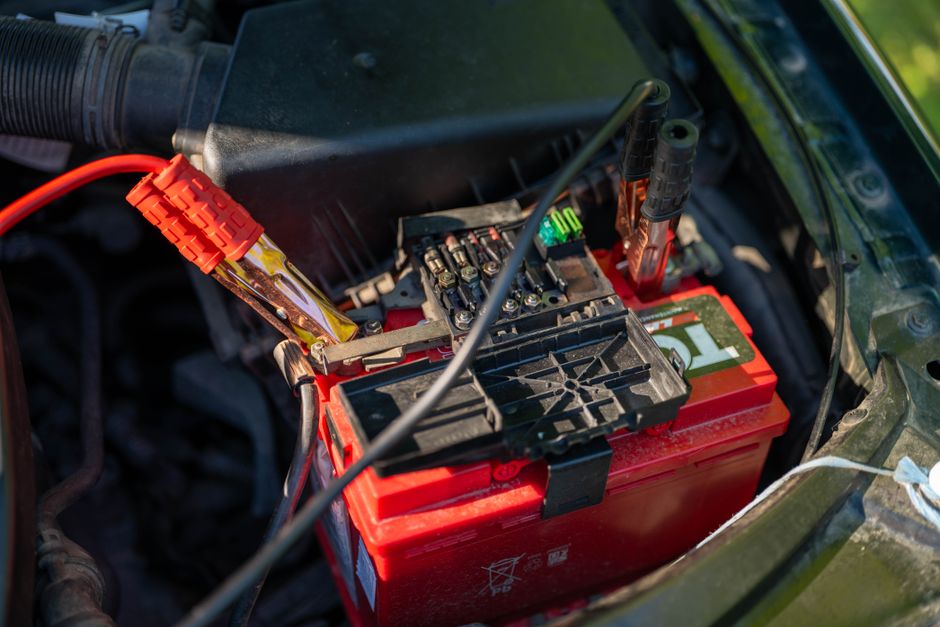
Another common symptom is a dead or weak battery, which may struggle to crank the engine or fail to hold a charge. While a battery can fail on its own, a malfunctioning alternator can prevent proper recharging, leading to repeated battery drain. If a vehicle requires frequent jump-starts or the battery warning light illuminates on the dashboard, it is advisable to test both the battery and the alternator. In some cases, a failing alternator may cause the battery to overcharge, leading to electrolyte loss or swelling, though this is less common. Testing the charging system as a whole can help isolate the root cause.
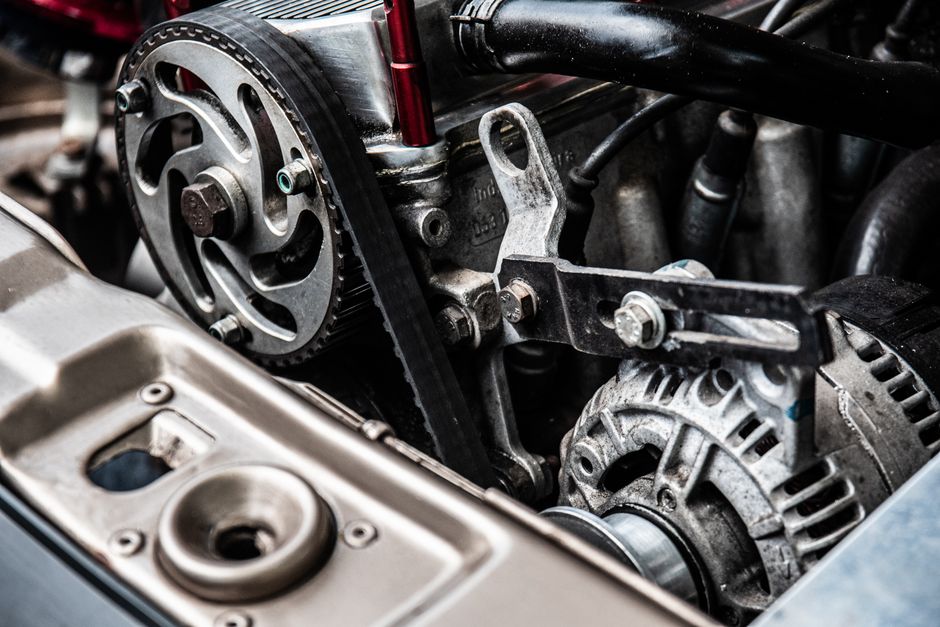
Unusual noises coming from the engine bay can also indicate alternator problems. A worn bearing or a failing pulley may produce whining, grinding, or rattling sounds that change with engine speed. These noises can sometimes be mistaken for other issues, such as a bad water pump or power steering pump. Additionally, a slipping belt can cause a squealing sound, particularly during acceleration or when electrical loads are high. Inspecting the belt tension and condition is a simple first step, but persistent noises may point to internal alternator wear. Electrical accessories such as power windows, seats, and radio may also operate sluggishly or intermittently when the alternator is not supplying adequate voltage.
A less obvious but important symptom is the illumination of the battery warning light on the dashboard. This light typically indicates that the charging system is not functioning within normal parameters. It may come on intermittently or stay illuminated constantly, depending on the nature of the fault. In some vehicles, a message such as “Check Charging System” may appear. It is important not to ignore these warnings, as continued operation with a faulty alternator can lead to a complete electrical failure, leaving the vehicle stranded. A systematic approach to diagnosis can help confirm whether the alternator is the source of the problem.
Diagnostic Steps for Alternator Issues
Before replacing any components, a proper diagnosis is essential to avoid unnecessary repairs. Begin by performing a visual inspection of the alternator, belt, and wiring. Look for signs of wear, such as frayed belts, loose connections, or corrosion on the terminals. Check that the alternator mounting bolts are secure and that the belt is properly tensioned according to the manufacturer’s specifications. A slipping belt can prevent the alternator from spinning fast enough to generate adequate power, mimicking an internal failure. If the belt appears glazed or cracked, replacement may be necessary regardless of the alternator’s condition.
Using a digital multimeter, measure the battery voltage with the engine off and then with the engine running. A fully charged battery at rest should read approximately 12.6 volts. With the engine running and all accessories off, the voltage should be between 13.5 and 14.5 volts. If the reading is below 13 volts or above 15 volts, the alternator or voltage regulator may be faulty. It is also helpful to perform a voltage drop test on the charging circuit to identify excessive resistance in the wiring. This test involves measuring the voltage difference between the alternator output terminal and the battery positive post while the engine is running and a load is applied. A drop of more than 0.5 volts indicates a problem in the circuit.
Many auto parts stores offer free charging system testing, which can provide a more comprehensive analysis. These tests often include a load test on the alternator to simulate real-world conditions and assess its output capacity. Alternatively, a professional mechanic can use an oscilloscope to examine the alternator’s waveform, which can reveal issues such as bad diodes or worn brushes. For those comfortable with electrical testing, a clamp-on ammeter can measure the current output of the alternator, which should be close to its rated amperage at a specified RPM. If the alternator fails to meet specifications, replacement is typically required. It is important to note that some symptoms may be caused by a faulty voltage regulator, which on many modern vehicles is integrated into the alternator assembly.
“Accurate diagnosis is the cornerstone of effective repair. Testing the entire charging system, not just the alternator, helps prevent misdiagnosis and ensures that the correct component is replaced.”
When performing diagnostics, consider the age and mileage of the vehicle. Alternators can wear out over time, and high-mileage vehicles may be more prone to failure. However, other factors such as exposure to heat, vibration, and contamination can also affect longevity. If the battery is old or has been deeply discharged multiple times, it may not accept a charge properly, leading to false alternator diagnosis. Therefore, it is advisable to test the battery first and ensure it is in good condition before condemning the alternator. Following a logical sequence of tests will help pinpoint the issue efficiently.
Replacement Options and Considerations
When an alternator is confirmed to be faulty, replacement is usually the most practical solution. Options include a new OEM (original equipment manufacturer) alternator, a remanufactured unit, or a used part from a salvage yard. New OEM alternators offer the advantage of exact fit and original performance but are often the most expensive. Remanufactured alternators are rebuilt to meet or exceed original specifications and typically come with a warranty, making them a popular choice for many vehicle owners. Used alternators may be a budget-friendly option but carry the risk of unknown history and limited lifespan. For those seeking a balance between cost and reliability, remanufactured units from reputable sources such as AutoParts Experts can be a suitable consideration.
Installation of a new alternator involves disconnecting the battery, removing the serpentine belt, and unbolting the old unit. It is essential to follow the vehicle’s service manual for specific procedures, as access and mounting vary widely among models. Special tools may be required, such as a belt tensioner tool or a pulley removal tool. During installation, inspect the belt, tensioner, and idler pulleys for wear and replace them if necessary. Clean the battery terminals and check the condition of the charging system wiring. Torque all fasteners to the manufacturer’s specifications and ensure the belt is properly routed. After installation, start the engine and verify that the charging system is operating correctly using a multimeter.
For those who prefer not to undertake the repair themselves, professional installation is recommended. A qualified mechanic can ensure that the job is done correctly and safely, and may offer a warranty on parts and labor. The cost of replacement varies depending on the vehicle make and model, the type of alternator chosen, and labor rates in your area. In general, expect to pay more for luxury or high-performance vehicles due to increased complexity and part costs. It is also wise to consider the overall condition of the vehicle; if it has other significant issues, investing in a new alternator may not be the most economical choice. Weighing these factors can help you make a decision that aligns with your budget and long-term plans.
After replacement, proper disposal of the old alternator is important for environmental reasons. Many auto parts retailers accept used alternators for recycling, as they contain valuable metals and components that can be reclaimed. Some states require that used automotive parts be disposed of in an environmentally responsible manner, so check local regulations. Additionally, keep the receipt and warranty information in a safe place in case of future issues. Regular maintenance of the charging system, including periodic battery testing and belt inspections, can help maximize the life of the new alternator and prevent unexpected failures.
Preventive Maintenance for Alternator Longevity
While alternators are designed to last many years, certain practices can help extend their service life. Keeping the engine bay clean and free of oil leaks is beneficial, as oil contamination can degrade the alternator’s internal components. Ensuring that the battery is in good condition and properly charged reduces the strain on the alternator, as it does not have to work as hard to maintain voltage. Regularly checking the serpentine belt for wear and proper tension is also important, as a slipping or misaligned belt can cause the alternator to underperform or fail prematurely. Following the vehicle manufacturer’s maintenance schedule for belt replacement and electrical system inspections is advisable.
Electrical loads should be managed wisely, especially in older vehicles with higher-capacity alternators. Adding aftermarket accessories such as high-power audio systems or auxiliary lighting can exceed the alternator’s capacity and lead to premature failure. If such additions are made, upgrading to a higher-output alternator may be necessary to meet the increased demand. Additionally, avoiding deep discharges of the battery and addressing any charging system warnings promptly can prevent cascading damage. A simple voltage check performed periodically with a multimeter can provide early warning of a failing alternator, allowing for timely intervention. By adopting these habits, vehicle owners can contribute to the longevity of their charging system.
In summary, understanding the common problems associated with alternators and the appropriate diagnostic and replacement procedures empowers vehicle owners to make informed decisions. Whether you choose to tackle the repair yourself or seek professional assistance, a methodical approach and attention to detail are key. The information provided here is intended to serve as a general guide, and specific circumstances may vary. Always consult a qualified mechanic or refer to the vehicle’s service manual for precise instructions and safety precautions. With proper care and maintenance, the alternator can remain a reliable component of your vehicle’s electrical system for years to come.