Upgrading Your Suspension for Better Handling
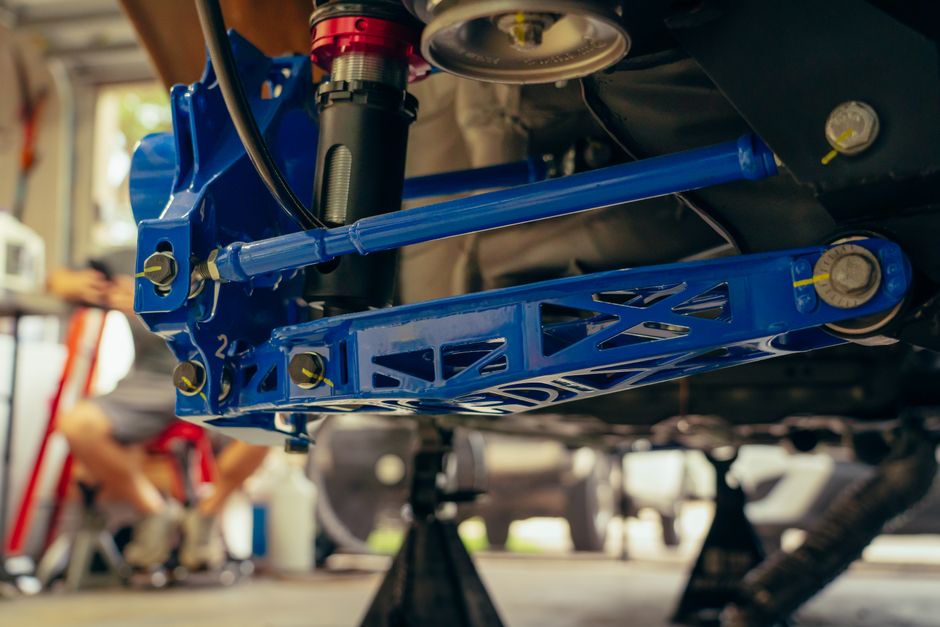
Upgrading a vehicle’s suspension system is a common consideration for enthusiasts seeking to enhance cornering and stability. The factory suspension is typically designed to balance comfort, cost, and durability, which may leave room for improvements in handling dynamics. By examining the roles of performance shocks, springs, and sway bars, as well as compatibility factors and installation basics, one can make informed decisions about potential modifications.
This article explores the process of upgrading suspension components, focusing on how each part contributes to overall handling. It discusses the importance of matching components to the vehicle’s characteristics and intended use, and outlines general installation considerations. The goal is to provide a neutral overview that helps readers understand the methodology behind suspension tuning without making definitive recommendations.
Before delving into specifics, it is important to recognize that suspension upgrades involve a system of interrelated parts. Changing one component can affect others, and the outcome depends on multiple factors such as vehicle weight, driving conditions, and alignment settings. Therefore, a holistic approach is often beneficial.
Understanding the Role of Shocks and Struts
Shocks and struts are critical components that control the movement of the suspension springs. They dampen oscillations, helping to keep tires in contact with the road surface. Performance shocks are designed to provide more consistent damping force under varying conditions, which can contribute to improved body control and reduced float. When considering an upgrade, it is useful to understand the difference between twin-tube and monotube designs, as each has distinct characteristics regarding heat dissipation and response.
Adjustable shocks allow the driver to fine-tune damping to suit different driving scenarios, such as daily commuting versus track use. However, adjustments should be made systematically, as overly stiff settings may compromise ride quality on uneven surfaces. It is also important to consider the condition of other suspension components; worn bushings or mounts can negate the benefits of new shocks. Installation of shocks typically requires lifting the vehicle and using proper tools to compress springs safely.
When selecting performance shocks, compatibility with the vehicle’s spring rates and ride height is essential. Mismatched components can lead to poor handling or premature wear. Consulting a reputable supplier like AutoParts Experts can help identify options that fit specific vehicle applications. Ultimately, the choice of shocks should align with the intended driving environment and personal preferences.
Performance Springs and Their Impact on Handling
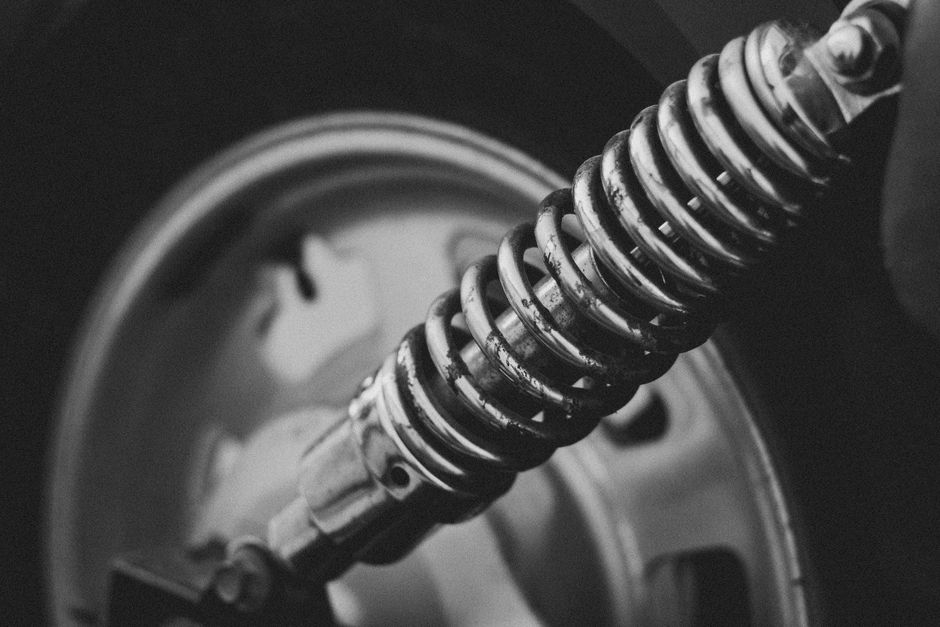
Springs support the vehicle’s weight and influence ride height, roll stiffness, and weight transfer during cornering. Performance springs are often stiffer and may lower the ride height, which can reduce body roll and improve turn-in response. However, lowering the vehicle too much can negatively affect suspension geometry, leading to increased camber change and potential bump steer. Therefore, it is advisable to select springs that are engineered for the specific vehicle model and intended use.
Progressive-rate springs offer a compromise by providing a softer initial rate for comfort and a stiffer rate under load for handling. Linear-rate springs provide consistent stiffness, which can be advantageous for predictable track behavior. When upgrading springs, it is crucial to consider the matching of spring rates to shock damping; without proper damping, stiffer springs can cause a bouncy or unsettled ride.
Installation of springs usually involves compressing the existing springs to remove them safely. This task requires caution and proper tools, as compressed springs store significant energy. After installation, a professional alignment is typically necessary to reset camber, caster, and toe angles, which ensures even tire wear and stable handling. It is also wise to check for any clearance issues with other components.
The Function of Sway Bars in Stability
Sway bars, also known as anti-roll bars, connect opposite sides of the suspension to reduce body roll during cornering. By adding a sway bar upgrade, one can increase roll stiffness without significantly affecting ride comfort in a straight line. Adjustable sway bars allow tuning of the balance between front and rear roll stiffness, which can influence oversteer or understeer tendencies. This adjustability can be useful for dialing in handling characteristics to suit different driving styles or conditions.
When selecting sway bars, diameter and material are key factors. A larger diameter bar is generally stiffer, but the actual stiffness also depends on the bar’s shape and the length of its lever arms. Polyurethane bushings are often included with performance sway bars to reduce deflection and improve response. However, stiffer bushings may transmit more noise and vibration into the cabin, which is a trade-off to consider.
Installation of sway bars is relatively straightforward for many vehicles, often involving unbolting the original bar and replacing it with the new one. It is important to ensure that the bar is properly lubricated at the bushings to prevent squeaks and that all hardware is tightened to specification. As with other suspension components, compatibility with existing parts should be verified before purchase.
Compatibility Factors and System Integration
Upgrading suspension components is not merely about bolting on parts; it requires careful consideration of how they interact. Compatibility factors include spring rate, shock valving, sway bar stiffness, and alignment settings. For instance, installing lowering springs without matching shocks can lead to poor damping and reduced suspension travel. Similarly, a larger rear sway bar may increase oversteer if the front bar is not upgraded accordingly.
Vehicle-specific factors such as weight distribution, drive layout, and suspension design also play a role. It is advisable to research the experiences of other owners with similar vehicles and to consult with suspension specialists. AutoParts Experts can provide guidance on part numbers and fitment to help avoid mismatches. Additionally, consider the condition of related components like control arm bushings, ball joints, and tie rod ends; upgrading these may be necessary to fully realize handling improvements.
Another factor is the intended use of the vehicle. A setup optimized for track days may be too harsh for daily driving, while a mild upgrade may not provide the desired performance on the track. Therefore, defining goals and prioritizing comfort versus handling can guide component selection. It is also wise to plan for a professional alignment after installation to ensure the suspension operates within specified parameters.
Installation Basics and Safety Considerations
Installing suspension components requires mechanical aptitude, proper tools, and a safe working environment. Before starting, gather all necessary parts and ensure they are correct for the application. Use jack stands to support the vehicle securely and never rely solely on a jack. When working with springs, always use a spring compressor designed for the task, and follow the manufacturer’s instructions carefully.
Torque specifications are critical; under-tightening can lead to loose components, while over-tightening can damage threads or bushings. It is recommended to use a torque wrench and refer to the vehicle’s service manual for correct values. After installation, take the vehicle for a test drive in a safe area to check for unusual noises or handling issues. If any problems arise, re-inspect the work and consult a professional if needed.
For those uncomfortable with DIY installation, entrusting the work to a qualified mechanic is a sensible option. Many shops have experience with suspension upgrades and can ensure proper installation and alignment. Regardless of who performs the work, it is important to retain receipts and document changes for future reference. Regular inspections after installation can help identify wear or loosening of components over time.
Upgrading suspension is a process of balancing components to achieve desired handling characteristics, and outcomes depend on many variables.
In summary, upgrading suspension for better handling involves a thoughtful approach that considers the roles of shocks, springs, and sway bars, along with compatibility and installation factors. By understanding these elements, one can make informed decisions that align with their driving needs. For personalized advice and part selection, consulting with experts such as AutoParts Experts can be beneficial.