Understanding Engine Oil Grades and Change Intervals
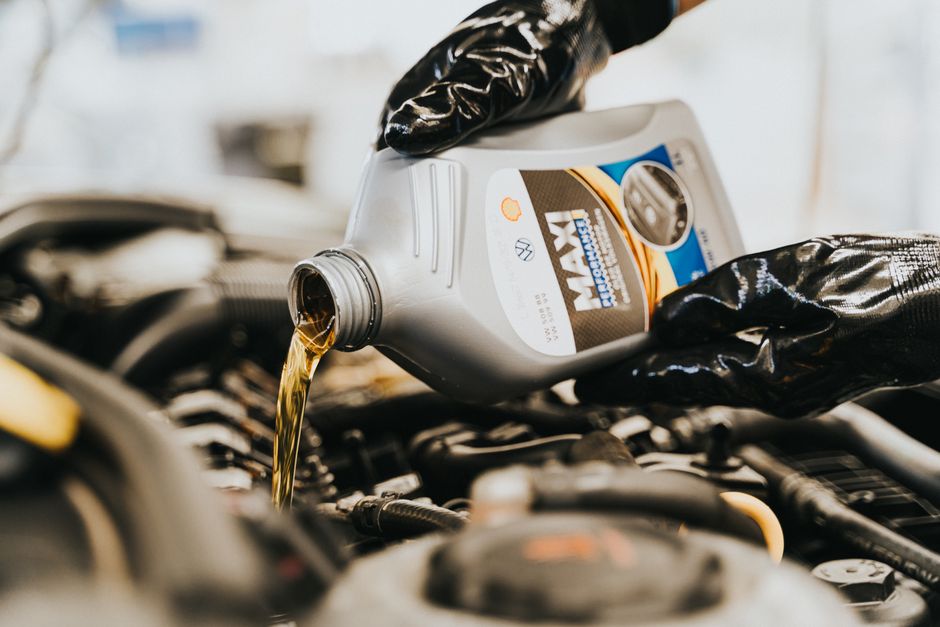
Engine oil is a critical component in vehicle maintenance, serving multiple functions that contribute to engine performance and longevity. Understanding oil grades, which indicate viscosity, and appropriate change intervals is essential for proper lubrication. This article explains the meaning behind oil viscosity ratings and discusses how driving conditions can influence the frequency of oil changes. The information provided is for educational purposes and should be considered alongside manufacturer recommendations and professional advice.
Viscosity describes an oil’s resistance to flow at different temperatures. The Society of Automotive Engineers (SAE) has established a grading system that includes a number followed by a letter ‘W’ (indicating winter suitability) and another number. For example, 5W-30. The first number indicates the oil’s flow characteristics at low temperatures, while the second number represents its viscosity at operating temperatures. A lower number before the ‘W’ means the oil flows more easily in cold weather, which can aid in cold starts. The number after the ‘W’ indicates the oil’s thickness at high temperatures, with higher numbers indicating thicker oil.
Oil change intervals refer to the recommended mileage or time between oil changes. These intervals can vary based on several factors, including the vehicle’s age, engine design, and the conditions under which it is driven. While many modern vehicles have extended intervals due to advancements in oil technology and engine design, it is important to consult the owner’s manual for specific guidance. This article will explore how viscosity grades are determined and how driving conditions might affect when an oil change is needed.
Understanding Viscosity Grades
Viscosity grades are defined by SAE standards, which test oils at specific temperatures to determine their flow properties. The ‘W’ rating is based on cold-temperature performance, measured by how easily the oil pours at low temperatures. A lower ‘W’ number, such as 0W or 5W, indicates better cold-weather performance, which can be beneficial in colder climates. The second number, such as 20, 30, or 40, represents the oil’s viscosity at 100°C (212°F), which approximates normal engine operating temperature. A higher number means the oil is thicker and provides a stronger film at high temperatures, but may require more energy to pump.
Multi-grade oils, like 5W-30, are designed to perform across a range of temperatures. They contain viscosity index improvers that allow the oil to flow easily when cold while maintaining adequate thickness when hot. This versatility makes them suitable for year-round use in many regions. The choice of viscosity grade should be based on the vehicle manufacturer’s recommendations, which take into account the engine’s design and expected operating conditions. Using the wrong viscosity can lead to inadequate lubrication or increased energy consumption.
It is important to note that viscosity grades are not indicators of oil quality or performance beyond flow characteristics. Other factors such as the base oil type (conventional, synthetic, or blend) and additive packages also play significant roles. Synthetic oils often have more stable viscosity across temperature ranges compared to conventional oils. However, the appropriate grade remains critical regardless of the oil’s base stock. Following the manufacturer’s specified grade helps ensure proper lubrication under normal operating conditions.
Factors Influencing Oil Change Intervals
Oil change intervals are typically specified by the vehicle manufacturer in the owner’s manual, often based on normal driving conditions. However, these intervals may need adjustment depending on how the vehicle is used. Several factors can affect the rate at which oil degrades and accumulates contaminants, thus influencing when an oil change is advisable. Understanding these factors can help vehicle owners make informed decisions about maintenance scheduling.
Driving conditions play a significant role in oil life. Frequent short trips, especially in cold weather, can prevent the engine from reaching optimal operating temperature, leading to condensation and fuel dilution in the oil. Stop-and-go traffic, common in urban areas, increases engine idling and can accelerate oil degradation. Towing heavy loads or driving in dusty environments can also introduce more contaminants into the oil. Conversely, steady highway driving at moderate temperatures tends to be less taxing on the oil.
Other factors include the age and condition of the engine, the type of oil used, and the quality of the oil filter. Older engines may have more blow-by gases, which can contaminate the oil more quickly. Synthetic oils often resist degradation better than conventional oils, potentially allowing for longer intervals. However, it is essential to follow the manufacturer’s recommendations rather than assuming extended intervals are always safe. Regular oil checks, including level and condition, can provide additional insights.
Monitoring Oil Condition
Beyond following a fixed mileage interval, monitoring the oil’s condition can help determine if a change is needed. Checking the oil level regularly is a simple practice that can indicate if the engine is consuming oil or if there are leaks. The oil’s appearance can also provide clues: new oil is typically amber and translucent, while used oil becomes darker and may contain particles. However, color alone is not a reliable indicator of oil life, as some oils darken quickly due to additives.
For a more precise assessment, oil analysis can be performed by a laboratory. This involves collecting a sample of the oil and testing for properties such as viscosity, contamination levels, and additive depletion. Oil analysis can be particularly useful for fleet vehicles or for those who want to optimize their maintenance schedule. However, it is not typically necessary for everyday passenger cars. Many modern vehicles also have oil life monitoring systems that calculate remaining oil life based on driving conditions and other inputs.
These monitoring systems use algorithms that consider factors like engine temperature, speed, and driving time to estimate when an oil change is due. They often illuminate a dashboard indicator when the oil life reaches a certain threshold. While these systems can be helpful, they are not infallible and should be used in conjunction with regular manual checks and manufacturer guidelines. Ultimately, the decision to change the oil should be based on a combination of factors, including mileage, time, and driving conditions.
Selecting the Right Oil for Your Vehicle
Selecting the correct oil grade is crucial for proper lubrication and engine protection. The manufacturer’s recommendation is the best starting point, as it is based on extensive testing and engineering requirements. This information is typically found in the owner’s manual or on the oil filler cap. Using the recommended viscosity grade helps ensure that the oil can flow adequately at start-up and maintain a protective film at operating temperatures. Deviating from the recommendation may void warranties or lead to suboptimal performance.
In addition to viscosity grade, consider the oil’s specification ratings, such as API (American Petroleum Institute) or ILSAC (International Lubricant Standardization and Approval Committee) certifications. These ratings indicate that the oil meets certain performance standards for the vehicle’s engine type. For example, API SP is a current standard for spark-ignited engines, providing protection against low-speed pre-ignition and other issues. Using an oil that meets the appropriate specifications is as important as using the correct viscosity.
When choosing between conventional, synthetic blend, and full synthetic oils, consider the vehicle’s age, mileage, and operating conditions. Synthetic oils generally offer better performance at extreme temperatures and longer change intervals, but they cost more. Conventional oils may be suitable for older vehicles with simpler engine designs and frequent oil change habits. AutoParts Experts can provide guidance on oil selection based on specific vehicle requirements, but the final decision should align with manufacturer recommendations and driving habits.
Best Practices for Oil Maintenance
Maintaining proper oil levels and condition is a cornerstone of engine longevity. Develop a routine of checking the oil level at least once a month and before long trips. This involves parking on a level surface, turning off the engine, and waiting a few minutes for the oil to settle before reading the dipstick. If the level is low, add oil of the same grade and specification to bring it to the full mark. Avoid overfilling, as excess oil can cause foaming and other issues.
Keep a record of oil changes, including the date, mileage, and type of oil used. This helps track intervals and can be useful for warranty purposes or when selling the vehicle. If you perform oil changes yourself, dispose of used oil properly at a recycling facility. If you prefer professional service, choose a reputable mechanic or service center that uses quality oils and filters. Regular maintenance, including oil and filter changes, is a relatively small investment that can contribute to the engine’s overall health.
Be aware that extreme conditions may warrant more frequent oil changes. For example, if you frequently drive in dusty areas, tow heavy trailers, or make many short trips in cold weather, you may need to shorten the interval. Conversely, if your driving is mostly highway miles in moderate temperatures, you may be able to follow the normal interval. Always consult the owner’s manual for specific recommendations and adjust based on your actual driving conditions.
“Regular oil changes are not just about mileage; they are about the conditions under which the vehicle operates.”
In conclusion, understanding engine oil grades and change intervals is fundamental for vehicle maintenance. Viscosity ratings indicate the oil’s flow characteristics at different temperatures, and selecting the right grade ensures proper lubrication. Change intervals depend on driving conditions and should be adjusted accordingly. By staying informed and following manufacturer guidelines, vehicle owners can support engine longevity. For personalized advice, consult a trusted mechanic or the vehicle manufacturer.