Battery Maintenance Tips for Longer Life
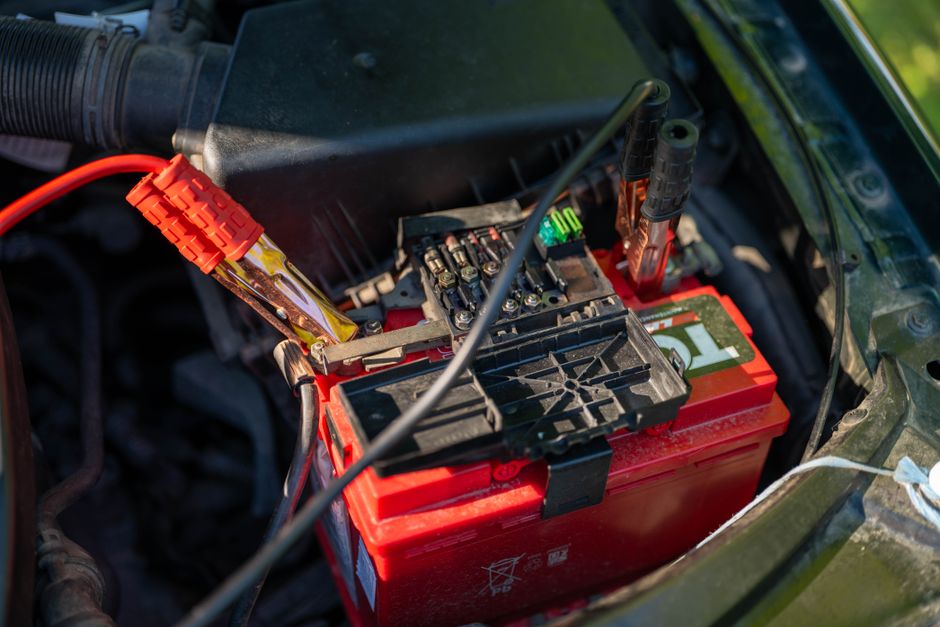
Batteries are essential components in many devices and vehicles, providing power for starting, lighting, and ignition systems. Over time, their performance can degrade due to various factors, including environmental conditions, usage patterns, and maintenance practices. Understanding how to properly care for a battery can help maximize its lifespan and ensure reliable operation. This article outlines practical steps that individuals can take to maintain their batteries, focusing on cleaning terminals, checking voltage, and avoiding deep discharges.
Regular maintenance is key to preserving battery health. Simple procedures, such as visual inspections and voltage checks, can be performed by most users without specialized tools. However, it is important to follow safety guidelines and consult a professional when necessary. The information provided here is for educational purposes and should be adapted to specific battery types and manufacturer recommendations. By adopting a proactive approach, users can potentially extend the time between replacements and reduce unexpected failures.
In the following sections, we will explore various aspects of battery maintenance, including cleaning, voltage monitoring, and discharge management. These practices are applicable to a range of batteries, from automotive lead-acid types to deep-cycle and lithium-based systems. While the focus is on do-it-yourself checks, always refer to the battery’s manual for specific instructions. Additionally, consider consulting with experts like those at AutoParts Experts for guidance on suitable products and best practices.
Understanding Battery Basics and Common Causes of Degradation
To maintain a battery effectively, it helps to understand its basic operation and the factors that contribute to capacity loss. Batteries store chemical energy and convert it into electrical energy through reactions between plates and electrolyte. Over time, these reactions can lead to sulfation, corrosion, and stratification, which reduce performance. Environmental conditions such as temperature extremes, vibration, and humidity also play a role. For example, high temperatures accelerate chemical reactions and can increase water loss in flooded batteries, while cold temperatures reduce available capacity.
Common causes of degradation include chronic undercharging, overcharging, deep discharges, and poor connections. Undercharging can lead to sulfation, where lead sulfate crystals harden on the plates and reduce active material. Overcharging can cause excessive gassing, water loss, and grid corrosion. Deep discharges, especially in lead-acid batteries, can cause irreversible damage if not recharged promptly. Loose or corroded terminals increase resistance and can prevent proper charging and discharging.
Recognizing these factors can inform maintenance practices. For instance, keeping terminals clean and tight ensures efficient current flow. Monitoring voltage helps detect issues early. Avoiding deep discharges preserves battery chemistry. These steps are simple yet effective when performed regularly. It is also important to note that different battery types have distinct maintenance needs. Flooded lead-acid batteries may require watering, while sealed and lithium batteries are maintenance-free but still benefit from proper charging habits.
Cleaning Battery Terminals and Connections
Cleaning battery terminals is a fundamental maintenance task that can prevent starting problems and extend battery life. Corrosion, often appearing as a white, blue, or green powdery substance, builds up on terminals and cable clamps. This corrosion increases electrical resistance, which can lead to slow cranking, dim lights, and difficulty charging. Regular inspection and cleaning can mitigate these issues. Before starting, ensure the engine is off and wear safety glasses and gloves to protect against acid and debris.
To clean terminals, first disconnect the negative cable, then the positive, using a wrench. Avoid touching metal tools across both terminals to prevent short circuits. Use a wire brush or terminal cleaner to scrub the terminals and clamps until bare metal is visible. For stubborn corrosion, apply a baking soda and water paste, then rinse with water and dry thoroughly. Reconnect the positive cable first, then the negative, and tighten securely. Finally, apply a thin layer of dielectric grease or terminal protector to inhibit future corrosion.
Beyond terminals, inspect the battery case and hold-down hardware. Dirt and moisture can create a conductive path that drains the battery. Clean the case with a damp cloth and mild detergent, avoiding excessive water that could enter cells. Ensure the battery is securely mounted to prevent vibration damage. Check cables for fraying or cracks and replace if needed. These steps, while straightforward, contribute significantly to reliable performance. For those unsure about handling batteries, professional services like those offered by AutoParts Experts can provide assistance.
Checking Voltage and State of Charge
Monitoring battery voltage is an effective way to assess state of charge and overall health. A fully charged lead-acid battery typically rests at about 12.6 to 12.8 volts, while 12.4 volts indicates roughly 75% charge, and 12.0 volts about 25%. For lithium batteries, voltages differ; consult the manufacturer’s specifications. Use a digital multimeter set to DC volts. With the engine off and accessories off, touch the red probe to the positive terminal and the black probe to the negative. Record the reading.
For a more accurate assessment, check voltage after the battery has rested for a few hours. If the reading is low, recharge the battery using an appropriate charger. Avoid relying solely on voltage to determine capacity; a load test provides a better measure of cranking ability. Many auto parts stores offer free battery testing. Additionally, check voltage during cranking; if it drops below 9.6 volts for a 12-volt battery, it may be weak or failing. Regular voltage checks can reveal trends and prompt timely maintenance.
Keep a log of voltage readings over time to identify gradual declines. This practice helps distinguish normal self-discharge from a parasitic drain or charging system fault. If voltage consistently drops, investigate the alternator, wiring, or parasitic loads. For advanced diagnostics, consult a professional. Remember that voltage is temperature-dependent; adjust expectations in extreme cold or heat. By routinely checking voltage, users can make informed decisions about charging and replacement.
Avoiding Deep Discharges and Managing Charging Habits
Deep discharges occur when a battery is drained significantly below its recommended depth of discharge. For lead-acid batteries, going below 50% state of charge regularly can shorten life. Lithium batteries can often handle deeper discharges but still benefit from partial cycling. To avoid deep discharges, avoid leaving accessories on when the engine is off, and ensure charging systems are functioning. For deep-cycle batteries used in RVs or solar setups, monitor state of charge and recharge before dropping below 50%.
Proper charging is equally important. Use a charger designed for your battery type and follow the manufacturer’s guidelines. Overcharging can cause gassing and water loss, while undercharging leads to sulfation. Smart chargers with multi-stage profiles can help maintain optimal charge. For vehicles, ensure the alternator output is within specifications. If a battery is stored for long periods, use a maintainer to keep it topped off. Avoid rapid charging unless necessary, as it can generate heat and stress the battery.
Temperature management also affects discharge tolerance. High temperatures increase self-discharge and can accelerate degradation, while cold reduces capacity. Park in shaded areas when possible and insulate batteries in extreme climates. For batteries in standby applications, consider a temperature-compensated charger. These practices, combined with regular voltage checks, can help prevent deep discharges and prolong battery life. Always prioritize safety and consult professionals for complex installations.
Additional Maintenance Practices and When to Seek Professional Help
Beyond the core tasks, several other practices contribute to battery longevity. Keep the battery clean and dry, as moisture can cause self-discharge. Check electrolyte levels in flooded batteries monthly and top up with distilled water if needed. Do not overfill. Inspect vent caps for blockage. Ensure charging system belts are tensioned correctly. For electric vehicles, follow manufacturer-specific maintenance schedules. These steps, while simple, require consistency.
Know when to seek professional assistance. If you notice cracks, swelling, or a rotten egg smell, the battery may be damaged and should be handled by a professional. Persistent voltage issues despite charging may indicate a faulty alternator or wiring. For complex systems, such as those in hybrid vehicles, high-voltage batteries require specialized training. AutoParts Experts and similar providers can offer testing, replacement, and advice on suitable products. Always dispose of old batteries responsibly at recycling centers.
In summary, battery maintenance involves routine inspections, cleaning, voltage monitoring, and proper charging. These practices can extend battery life and improve reliability. However, results vary based on battery type, usage, and environmental conditions. No single approach guarantees specific outcomes. By staying informed and proactive, users can optimize performance within the limits of their specific setup. Always refer to manufacturer recommendations and seek professional guidance when uncertain.
Regular maintenance is a shared responsibility between the user and the battery’s design; no maintenance can overcome fundamental limitations, but consistent care can make a difference.