Signs Your Suspension Needs Attention
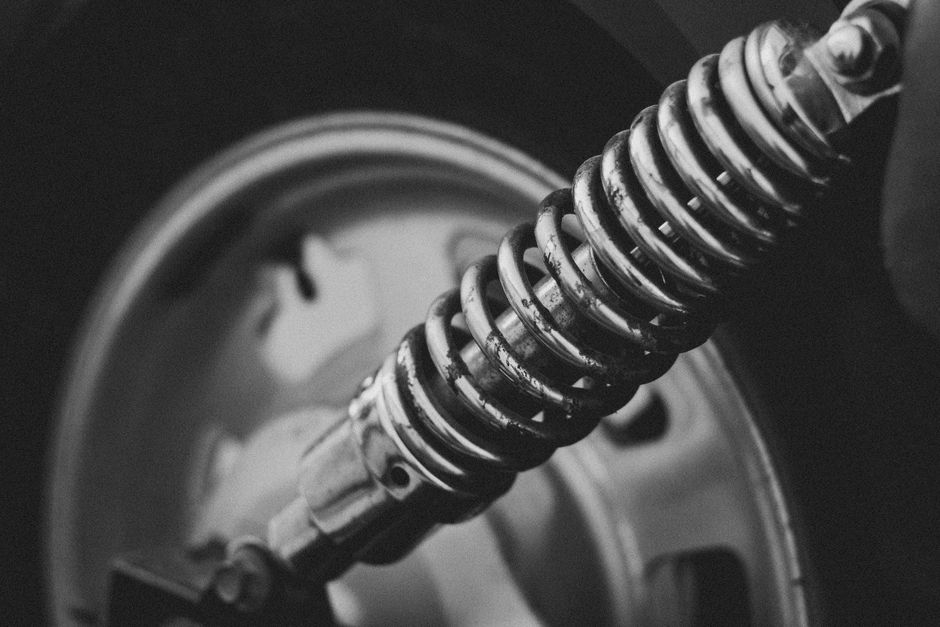
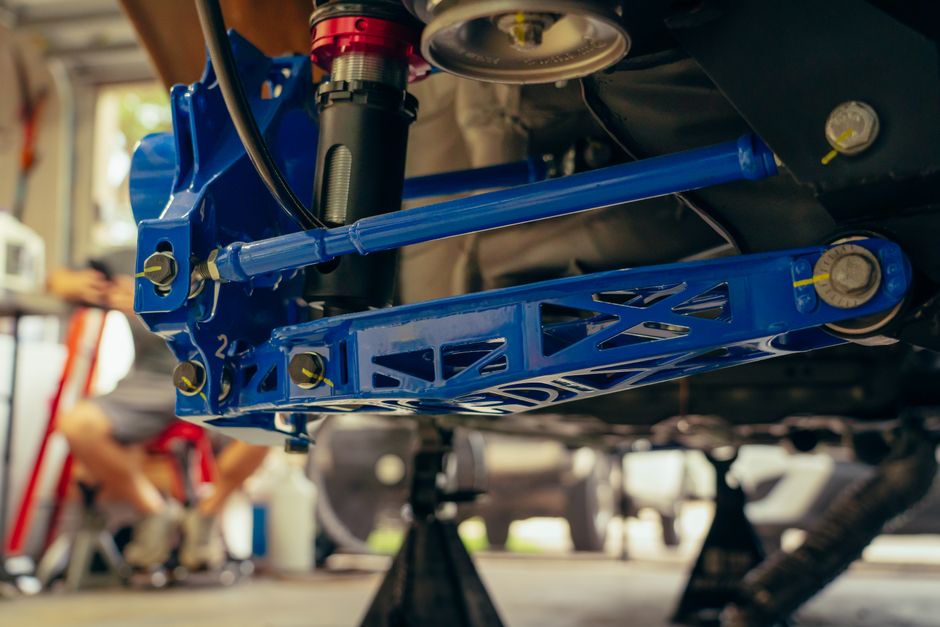
Your vehicle’s suspension system plays a critical role in maintaining ride comfort, handling stability, and overall safety. It consists of various components, including shocks, struts, springs, and linkages, that work together to absorb road irregularities and keep your tires in contact with the ground. Over time, these components can wear out due to normal use, road conditions, and driving habits. Recognizing the signs that your suspension needs attention can help you address issues before they lead to more significant problems.
This article explores common symptoms that may indicate worn shocks or struts, such as uneven tire wear, excessive bouncing, and unusual noises. It also discusses when it might be appropriate to have your suspension inspected and what factors to consider when deciding on replacement. By understanding these indicators, you can make informed decisions about maintenance and repairs, potentially preserving your vehicle’s performance and safety.
It’s important to note that every vehicle is different, and the symptoms described here may have multiple causes. A professional inspection is often necessary to accurately diagnose suspension issues. The information provided is for educational purposes and should not replace the advice of a qualified mechanic.
Uneven Tire Wear
One of the most telling signs of suspension trouble is uneven tire wear. When shocks or struts are worn, they may not maintain proper contact between the tires and the road, leading to irregular wear patterns. For example, you might notice that the inner or outer edges of your tires are wearing faster than the center, or that there are cupped or scalloped spots. These patterns can indicate that the suspension components are not effectively controlling tire movement.
Uneven tire wear can also result from misalignment, improper inflation, or other issues, so it’s essential to consider the broader context. Regularly inspecting your tires for unusual wear can help you catch potential problems early. If you observe uneven wear, it may be wise to have a professional examine both your tires and suspension system to determine the root cause. Addressing worn shocks or struts promptly can help prevent further tire damage and maintain optimal handling.
In some cases, uneven tire wear may be accompanied by other symptoms, such as vibration or pulling to one side. These combined signs can strengthen the case for a suspension inspection. Keeping a record of your tire rotation and alignment history can also provide valuable clues when diagnosing suspension issues.
Excessive Bouncing and Poor Ride Quality
Another common indicator of worn shocks or struts is excessive bouncing or a generally poor ride quality. If you notice that your vehicle continues to bounce several times after driving over a bump, it could mean that the shocks are no longer able to dampen the motion effectively. This can make the ride feel floaty or uncontrolled, especially at higher speeds.
Similarly, a sudden increase in harshness or a feeling that every road imperfection is transmitted through the chassis might suggest that the suspension is not absorbing impacts as it should. This can be particularly noticeable when driving on rough roads or over speed bumps. While some degree of feedback is normal, a significant change in ride comfort warrants investigation.
Poor ride quality can also affect driver fatigue and overall comfort, but it’s important to avoid making definitive judgments based on feel alone. Various factors, including tire pressure, load, and road conditions, can influence how a vehicle rides. A professional inspection can help determine whether the shocks or struts are due for replacement.
It’s worth noting that worn suspension components may not always produce obvious bouncing; sometimes the deterioration is gradual, and you may adapt to the changing ride without realizing it. Periodic checks by a qualified technician can help identify subtle changes before they become pronounced.
Unusual Noises
Unusual noises coming from the suspension can be another sign that something is amiss. Clunking, rattling, or squeaking sounds when driving over bumps or turning can indicate worn bushings, loose components, or damaged shocks and struts. These noises may be more noticeable at low speeds or when the suspension is actively working, such as during cornering or braking.
While some noises may be benign, persistent or worsening sounds should not be ignored. They could signal that parts are loose, worn, or broken, potentially compromising safety. For instance, a clunking noise might indicate that a strut mount bearing is failing, while a squeak could point to worn control arm bushings.
Diagnosing suspension noises often requires a hands-on inspection, as the source can be difficult to pinpoint from the driver’s seat. A mechanic can use specialized tools and knowledge to trace the noise to its origin. Addressing the issue early may prevent more extensive damage to other suspension components.
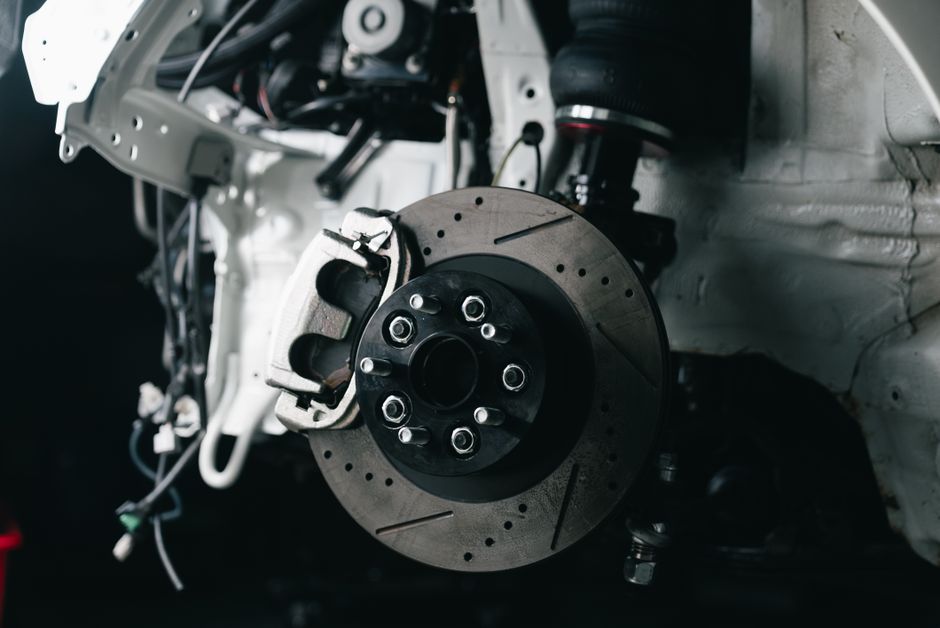
Keep in mind that other systems, such as brakes or steering, can also produce noises that might be mistaken for suspension problems. Therefore, a comprehensive inspection is advisable to rule out other potential causes.
Handling and Stability Changes
Worn suspension components can affect your vehicle’s handling and stability, leading to changes that may be subtle at first but become more pronounced over time. You might notice that your car feels less responsive to steering inputs, or that it leans more in turns. In more severe cases, the vehicle may pull to one side or feel unstable at highway speeds.
These handling issues can also be influenced by alignment, tire condition, and other factors. However, if you experience a combination of poor handling and other symptoms like uneven tire wear or bouncing, the suspension is a likely culprit. A professional alignment check can help determine whether the suspension is causing the problem or if it’s simply out of alignment.
It’s important to remember that handling and stability are critical for safe driving, especially in emergency maneuvers. If you notice a sudden or significant change in how your vehicle behaves, it’s prudent to have it inspected without delay. Ignoring such signs could increase the risk of accidents, particularly in adverse conditions.
Regular maintenance, including suspension inspections, can help preserve handling characteristics. Following the manufacturer’s recommended service intervals is a good starting point, but driving conditions and habits may necessitate more frequent checks.
When to Inspect and Potential Replacement
Knowing when to inspect your suspension can help you stay ahead of potential issues. Many manufacturers recommend having the suspension inspected at regular intervals, such as every 12,000 to 15,000 miles, or annually. However, if you experience any of the symptoms discussed above, it’s wise to schedule an inspection sooner rather than later.
During an inspection, a mechanic will typically check for leaks, worn bushings, damaged mounts, and overall condition of shocks and struts. They may also test the suspension’s response to bouncing and assess tire wear patterns. Based on their findings, they can advise whether replacement is necessary.
Replacement of shocks or struts is often considered when they are worn beyond specification or when they no longer perform adequately. It’s generally recommended to replace them in pairs (both front or both rear) to maintain balanced handling. The choice of replacement parts can vary based on vehicle type, driving needs, and budget. AutoParts Experts offers a range of suspension components that meet various quality standards, but the decision should be made in consultation with a professional.
Factors that can influence the lifespan of shocks and struts include driving conditions, load, and personal driving style. For example, frequent driving on rough roads or carrying heavy loads may accelerate wear. Keeping an eye on these factors and addressing symptoms early can help extend the life of your suspension system.
Regular inspections and timely replacement of worn components are key to maintaining vehicle safety and performance.
In summary, being attentive to signs like uneven tire wear, excessive bouncing, unusual noises, and changes in handling can help you identify suspension issues early. While some symptoms may have multiple causes, a professional inspection is the best way to determine the appropriate course of action. By staying informed and proactive, you can contribute to the longevity and safety of your vehicle.