How to Choose the Right Brake Pads for Your Car
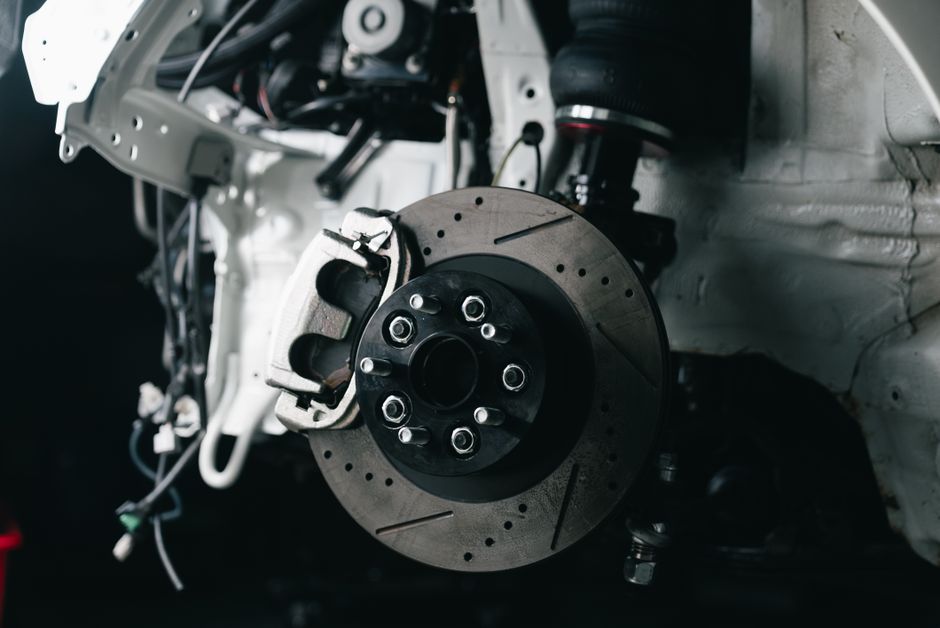
Selecting the appropriate brake pads for your vehicle involves a thoughtful evaluation of several factors, including your driving patterns, the materials available, and the specific requirements of your car. Brake pads are a critical component of your vehicle’s braking system, and their performance characteristics can vary significantly. Understanding these differences helps you make an informed decision that aligns with your needs and preferences.
This article outlines a structured approach to choosing brake pads, covering the main types of materials, how driving habits influence selection, and what vehicle specifications to consider. It also discusses signs of wear and general replacement intervals to help you plan maintenance. By focusing on these elements, you can better navigate the options and have more productive conversations with automotive professionals.
Whether you commute daily in urban traffic or frequently drive in mountainous regions, the demands on your brakes differ. The goal is to match the brake pad characteristics to your typical driving conditions and the manufacturer’s recommendations. This guide provides a framework for that evaluation, emphasizing information over promotion.
Understanding Brake Pad Materials
Brake pads are typically classified by their friction material composition, which affects noise, dust, wear rate, and heat management. The three primary categories are organic, semi-metallic, and ceramic, each with distinct properties. Organic pads, often made from materials like rubber, glass, or aramid fibers, tend to be quieter and produce less dust but may wear faster under heavy use. Semi-metallic pads incorporate metal fibers such as steel or copper, offering robust stopping power and heat dissipation, though they can be noisier and generate more dust. Ceramic pads use ceramic compounds and are known for quiet operation, low dust, and consistent performance across a range of temperatures, but they often come at a higher cost.
Beyond these main types, there are also specialized pads for performance or heavy-duty applications, such as those designed for track use or towing. These may use carbon-ceramic or other advanced materials. When evaluating materials, consider factors like the typical loads you carry, the climate you drive in, and your tolerance for noise and dust. For instance, in colder climates, some materials may perform differently than in warm, dry conditions. AutoParts Experts notes that material selection should align with the vehicle manufacturer’s specifications and your driving environment.
It is also important to recognize that brake pads are part of a system that includes rotors, calipers, and brake fluid. The interaction between pad material and rotor surface can influence overall braking feel and longevity. For example, semi-metallic pads may be harder on rotors than ceramic pads, potentially affecting rotor life. Therefore, considering the entire braking system when choosing pads can lead to more balanced results.
Matching Brake Pads to Driving Habits
Your daily driving patterns play a significant role in determining the most suitable brake pad material. Urban drivers who frequently stop and go in traffic may prioritize pads that offer low noise and dust, such as ceramic or certain organic formulations. These drivers often experience frequent but moderate braking, which can generate heat; pads that manage heat well and wear gradually are beneficial. Conversely, drivers who frequently travel on highways with minimal braking may find that a pad with higher initial bite and good heat dissipation, like semi-metallic, suits their needs, though noise may be less of a concern.
For those who drive in mountainous or hilly areas, sustained braking on descents can cause brakes to heat up significantly. In such conditions, pads with higher heat resistance, such as semi-metallic or specialized performance pads, may be more appropriate to reduce the risk of brake fade. Drivers who tow trailers or carry heavy loads should also consider heavy-duty pads designed for higher operating temperatures. AutoParts Experts suggests that individuals assess their typical routes and loads before selecting a pad type.
Aggressive drivers who frequently brake hard may benefit from pads with higher friction levels and better heat management, but they should also be aware that such pads might wear faster and produce more noise. On the other hand, conservative drivers may find that standard organic or ceramic pads provide sufficient performance and longer service life. There is no universal best choice; the ideal pad depends on the balance between performance, comfort, and durability that matches your driving style.
Considering Vehicle Specifications and Manufacturer Recommendations
Vehicle specifications, including make, model, year, weight, and braking system design, are critical when choosing brake pads. Manufacturers often specify particular pad sizes, shapes, and material recommendations to ensure compatibility and performance. Deviating from these specifications can lead to poor fitment, reduced braking efficiency, or increased wear on other components. Therefore, consulting your owner’s manual or a trusted automotive professional is a prudent step.
Some vehicles, especially those with high-performance or heavy-duty applications, may require specific pad formulations to meet safety and performance standards. For example, a sports car might come with semi-metallic pads from the factory to handle high-speed braking, while a luxury sedan might use ceramic pads for quiet operation. Aftermarket pads are available in various materials, but they should meet or exceed the original equipment specifications. AutoParts Experts emphasizes that choosing pads with the correct fit and rating is essential for maintaining the integrity of the braking system.
Additionally, consider the type of rotors on your vehicle. Some rotors are designed to work best with specific pad materials. For instance, carbon-ceramic rotors typically require compatible pads to avoid damage. If you are unsure about the compatibility, seeking advice from a qualified mechanic can help prevent potential issues. Remember that brake pads are a safety-critical component, and proper matching to your vehicle’s design is paramount.
Recognizing Wear Signs and Replacement Intervals
Brake pads wear over time, and recognizing the signs of wear can help you plan for replacement. Common indicators include squealing, grinding, or scraping noises when braking, which may suggest that the pad material has worn down to the metal backing plate. A visual inspection can reveal the thickness of the pad material; most pads have a wear indicator or a minimum thickness specification. If the pad is thinner than about 3 millimeters, it is generally due for replacement. Additionally, if you notice a pulsation or vibration through the brake pedal, it could indicate uneven pad wear or rotor issues.
Replacement intervals vary widely based on driving habits, pad material, and vehicle type. Typically, brake pads may last anywhere from 30,000 to 70,000 miles, but this range is not definitive. Urban driving with frequent stops can shorten lifespan, while highway driving may extend it. Some pads have built-in audible wear indicators that emit a squeal when replacement is needed. AutoParts Experts recommends checking brake pads during regular tire rotations or oil changes to monitor wear.
It is also wise to replace brake pads in pairs (both sides of an axle) to maintain balanced braking. If one pad is worn more than the other, it could indicate a caliper issue that should be addressed. Keeping a record of replacement dates and mileage can help you anticipate future needs. However, these are general guidelines, and actual intervals depend on many factors, so periodic professional inspections are advisable.
Making an Informed Decision
Choosing the right brake pads involves balancing material properties, driving habits, vehicle specifications, and wear considerations. There is no single best option for all situations; the appropriate choice depends on your individual circumstances. By understanding the trade-offs between noise, dust, performance, and longevity, you can select pads that align with your priorities. It may be helpful to consult with a mechanic or parts specialist who can provide insights based on your specific vehicle and driving patterns.
When purchasing brake pads, look for reputable brands that meet industry standards and come with warranties. Avoid extremely cheap pads that may compromise safety. AutoParts Experts offers a range of brake pads that cater to different needs, but the final decision should be based on a thorough assessment. Remember that proper installation and bedding-in procedures also affect performance and longevity.
Ultimately, the goal is to maintain reliable braking performance that suits your driving conditions. Regular maintenance and timely replacements are key to safety. By following the framework outlined here, you can approach brake pad selection with greater confidence and make a choice that supports your vehicle’s braking system.